Why Businesses Need an HR Management System Today?
Introduction: What is an HR Management System and Why It Matters
Managing human resources in today’s dynamic work environment is more complex than ever. Whether it’s employee attendance, payroll, onboarding, or performance tracking, manual processes are no longer sustainable. This is where a powerful HR Management System comes into play. It streamlines all HR functions and boosts productivity for businesses of every size.
In this blog, we’ll explore why your company needs an HR system now more than ever, and how smart businesses are already leveraging tools like OX HRM to transform workforce management.
What Makes HR Management So Challenging Today?
HR teams are handling more responsibilities than ever. From hiring to compliance, here are the top reasons why managing HR without automation leads to problems:
- Inefficient data handling across departments
- Errors in payroll calculations
- Delays in leave and attendance approvals
- Compliance risks and audit issues
- Time-consuming manual onboarding and exits
All of these challenges result in reduced productivity and employee dissatisfaction. That’s why companies are shifting to a Human Resource Software that automates these tasks and improves decision-making.
How Can an HR Management System Simplify Operations?
An HR Management System integrates various modules that cover every HR activity in one centralized platform. Here’s how it helps:
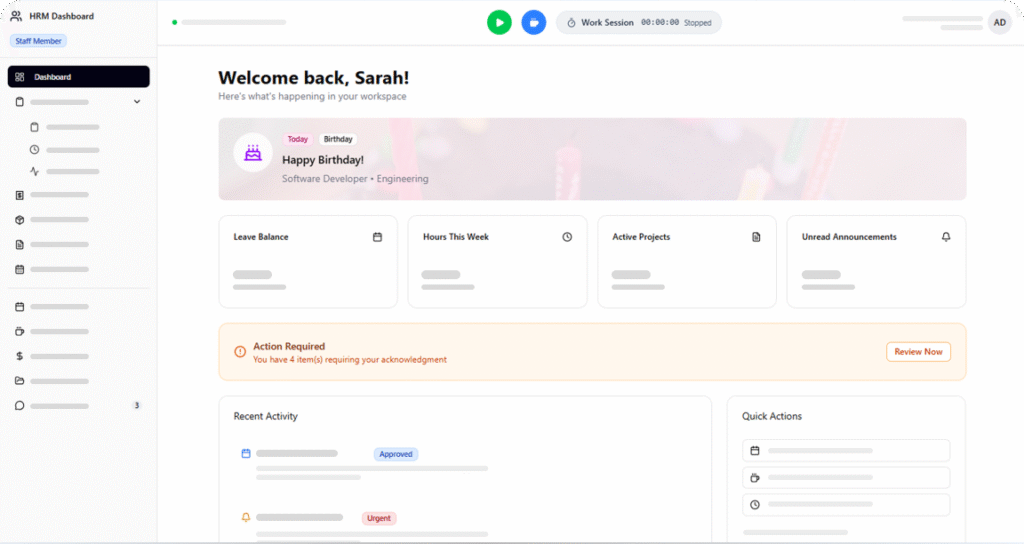
- Centralized Data Management: Access all employee information from one dashboard.
- Payroll Automation: Quick, error-free salary calculations with tax deductions and bonuses.
- Attendance and Leave Tracking: Real-time updates, calendar sync, and easy approvals.
- Performance Monitoring: Set KPIs and get detailed analytics on individual performance.
- Recruitment and Onboarding: Seamless hiring with resume tracking and new employee setup.
By automating these processes, businesses can save time, reduce manual errors, and focus on strategic growth.
What Features Should You Look for in HR Software for Businesses?
If you’re considering switching to a digital HR solution, here are essential features to prioritize:
- Cloud-based Access: Manage HR tasks from anywhere
- Mobile Compatibility: Support for Android and iOS devices
- Custom Roles and Permissions: Data privacy and secure access
- Compliance Management: Built-in tools to handle labor laws and audits
- Employee Self-Service Portal: Allow staff to view payslips, apply for leaves, and update profiles
These features not only improve internal workflows but also enhance employee experience.
Why HR Software is Critical for Growing Teams
As your business expands, managing employees manually becomes a bottleneck. A scalable Employee Management Software allows you to:
- Handle multi-location teams with ease
- Track progress and productivity
- Reduce the cost of HR operations
- Avoid missing deadlines for compliance and taxes
- Retain top talent through structured engagement
For growing teams, investing in a strong HR system is no longer optional. It’s a strategic move toward future readiness.
Is HR Software Only for Large Enterprises?
Absolutely not. In fact, small and medium businesses often benefit the most from HR automation. Here’s why:
- Fewer resources, more work: An HR system takes care of repetitive tasks, letting small teams focus on hiring and retention.
- Budget-friendly options: Many HR systems offer affordable pricing plans tailored for SMEs.
- Growth-ready architecture: Choose a system that grows with your business needs.
By using the Best HR Software in India, even startups can enjoy enterprise-level features without breaking the bank.
How Does Employee Management Software Improve Productivity?
By reducing HR-related friction, companies experience:
- Faster decision-making from real-time data
- Improved compliance and audit readiness
- Lower absenteeism through transparent leave tracking
- Motivated staff with easy access to HR services
Productivity rises when employees feel valued and when HR teams have the tools they need to operate efficiently.
Conclusion
Managing your workforce efficiently is the foundation of long-term success. Whether you’re a small business or an expanding enterprise, a robust HR Management System helps you create better processes, happier employees, and a more productive work environment.
If you’re looking to modernize your HR operations, OX HRM offers a comprehensive, user-friendly solution designed to meet the unique needs of Indian businesses.

FAQs:
Q1: What is the difference between HR software and payroll software?
HR software covers the entire employee lifecycle including onboarding, performance, leave, and more. Payroll software only manages salary and deductions.
Q2: Is HR software secure for storing employee information?
Yes, modern HR tools offer encryption, two-factor authentication, and access control to ensure data privacy.
Q3: Can HR software be integrated with biometric systems?
Yes, most HR systems today offer integration with biometric devices to track real-time attendance and working hours.
Q4: How much does a good HR Management System cost?
Costs vary based on features, number of users, and support. You can choose from monthly or yearly plans depending on your business size.
Q5: Will my team need training to use this software?
Most software providers offer onboarding assistance, video tutorials, and customer support to help you and your team get started easily.
Table of Contents

Shafeeq Khan is a web developer who creates modern, responsive, and user-friendly websites with clean code and creative design
Latest Posts
10 Payroll Problems Killing Indian Startups (And HRMS Fixes That Work)
Problem 1: PF/ESI Registration Delays Issue: Startups hit 10+ employees but delay PF/ESI registration. Penalty: 25% interest + fines up...



Multi-State Payroll Calculator for Indian Startups (2026 Edition)
Why Every Startup Needs This Tool Indian startups now operate across states Jaipur HQ hires from Kota, remote workers from...

PF/ESI Audit Preparation Checklist for Indian Startups 2026
Why PF/ESI Audits Are Coming for You 2026 Reality: Labour inspectors now target startups with 10+ employees. Random audits, employee...